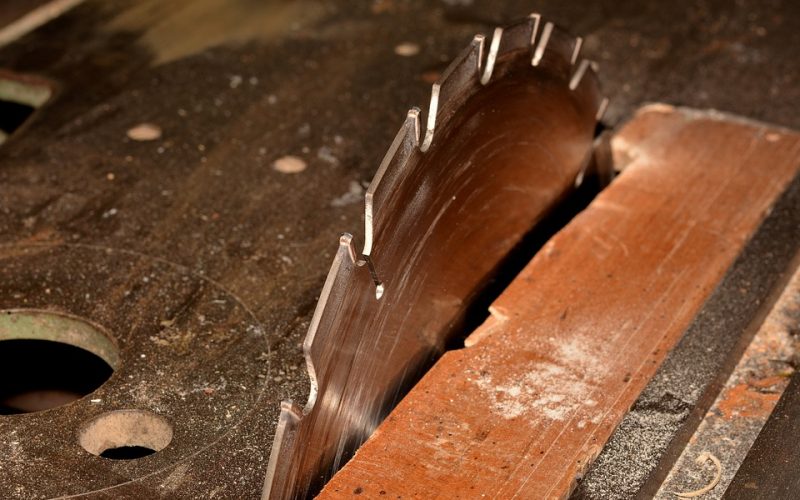
Many artists spend years perfecting a single medium. Painters study colour theory, sculptors master form, and illustrators refine their line work. But there's a growing argument — backed by artists, educators, and researchers alike — that stepping outside your primary discipline can make you significantly better at it. Exploring woodwork, pottery, glassmaking, or other hands-on crafts isn't a distraction. It's a strategy.
Each material teaches you something different
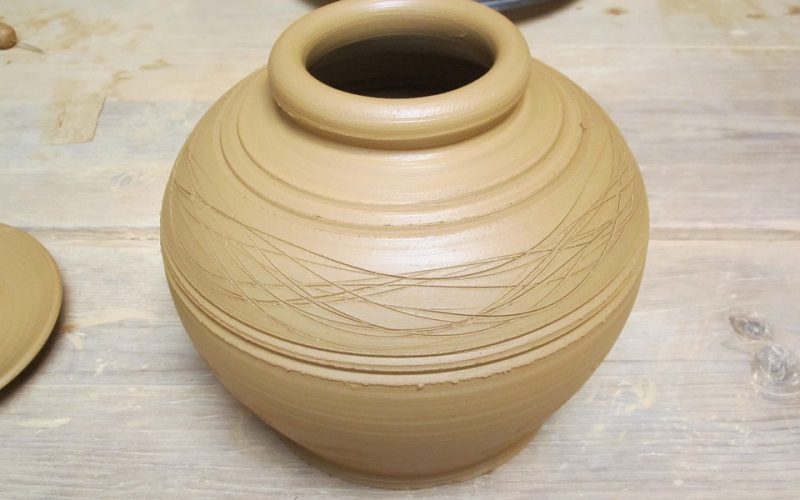
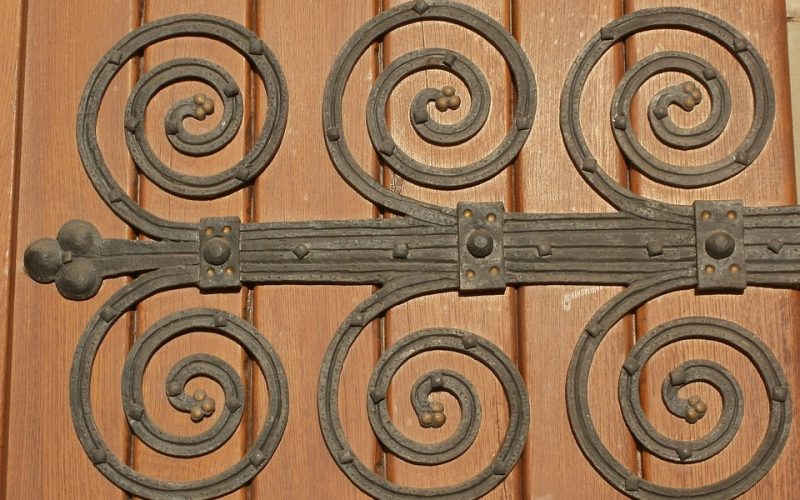
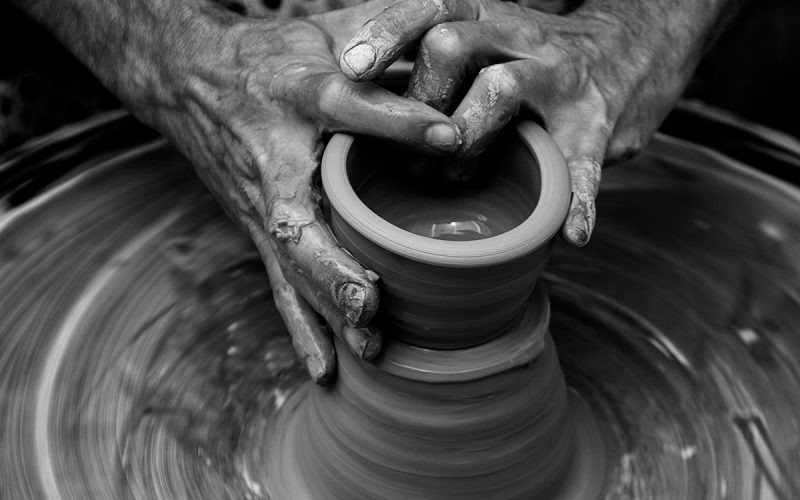
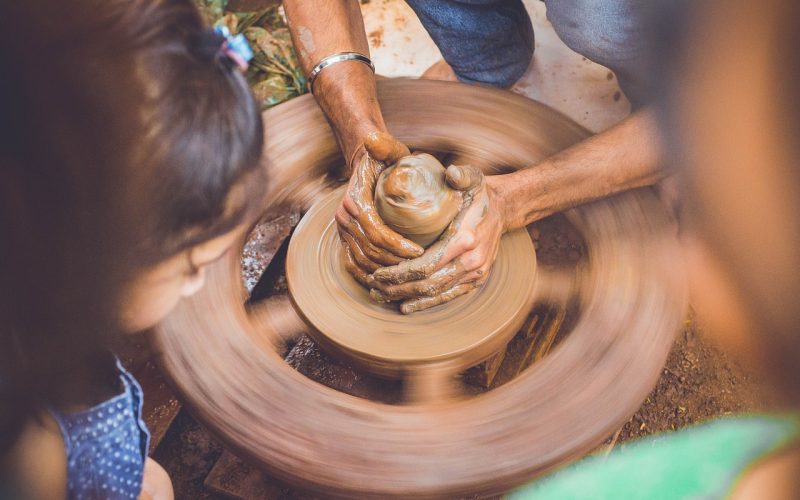
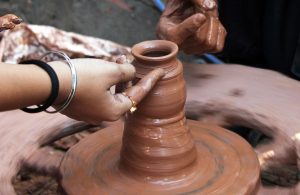
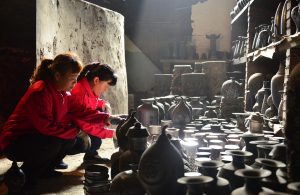
Every craft has its own logic. Wood has a grain that resists certain cuts and welcomes others. Clay responds to pressure and moisture in ways that demand patience and sensitivity. Glass, when blown or fused, behaves according to heat and timing. Each of these materials pushes back — and learning to work with that resistance sharpens your observational skills, your spatial awareness, and your understanding of how physical forms behave.
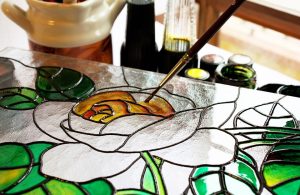
For a painter or digital illustrator, this kind of tactile knowledge can be revelatory. Understanding how light passes through glass, or how a hand-thrown bowl achieves its asymmetrical charm, gives you visual references that are difficult to learn from a screen alone.
Cross-disciplinary learning builds creative problem-solving
One of the most valuable outcomes of learning across disciplines is the way it rewires how you approach problems. Artists who work with multiple materials tend to draw on a wider toolkit when they hit a creative block. A ceramicist who also does woodwork might approach a structural challenge from a carpenter's perspective — thinking about joints, balance, and load-bearing form — and arrive at a solution they'd never have considered otherwise.
This kind of lateral thinking is well-documented in creative fields. Many of history's most innovative artists were also prolific experimenters. Leonardo da Vinci was simultaneously a painter, sculptor, architect, and engineer. His curiosity across disciplines directly informed the depth and precision of his artwork.
It develops patience and a tolerance for failure
Learning a new craft means starting from scratch — and that's uncomfortable, especially for experienced artists who are used to working with confidence. A seasoned illustrator picking up glassblowing for the first time will make mistakes. Things will crack, collapse, or come out nothing like intended.
That experience is valuable. It rebuilds a beginner's mindset, reminding artists that failure is a normal part of the creative process. Over time, this tolerance for imperfection tends to loosen up creative work across all disciplines — making artists more willing to experiment, take risks, and embrace the unexpected.
Your primary practice benefits directly
The influence of cross-disciplinary learning often shows up in subtle but meaningful ways. A sculptor who studies pottery might become more attuned to surface texture. A graphic designer who learns woodwork might develop a stronger sensitivity to proportion and negative space. These aren't abstract benefits — they translate into the everyday decisions artists make about composition, form, and technique.
There's also a motivational dimension worth noting. Learning something new reignites curiosity. Many artists who feel stuck or burnt out in their primary practice report that picking up a new craft — even casually — refreshes their enthusiasm and brings new energy back to their main work.
Where to start
You don't need to commit to mastering a new discipline. Even a short course in pottery, a weekend woodworking workshop, or an afternoon glassmaking class can offer meaningful creative insights. Community studios, adult education centres, and local arts organisations across the UK offer accessible entry points for artists at every level.
The goal isn't to become an expert in everything — it's to stay curious, keep learning, and bring fresh perspectives back to the work you care most about. The best artists aren't necessarily the most specialised ones. They're often the ones who never stopped exploring.